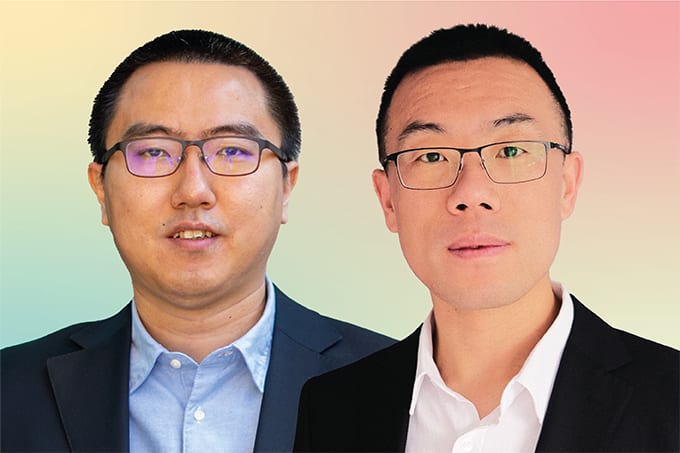
Clinical Report: State-of-the-Art Sample Preparation Roundtable: Part One
Overview
This report discusses the evolving landscape of sample preparation, emphasizing the shift towards automation, miniaturization, and sustainability in analytical workflows. Key insights from experts highlight the need for a more scientific approach to sample preparation and the importance of integrating these methods into routine laboratory practices.
Background
Sample preparation is a critical yet often overlooked component of analytical processes, impacting the accuracy and reliability of results. As laboratories transition to ISO 15189:2022 standards, understanding advancements in sample preparation becomes essential for ensuring patient safety and compliance. The integration of innovative technologies and sustainable practices is increasingly vital in meeting the demands of modern analytical science.
Data Highlights
No numerical data provided in the source material.
Key Findings
- Automation and miniaturization are key trends in sample preparation, enhancing efficiency.
- There is a growing emphasis on sustainability, driven by younger researchers in the field.
- Integration of sample preparation with analytical instruments has matured, making advanced methods accessible to more laboratories.
- Sample preparation is often still viewed as an art due to insufficient focus on theoretical foundations.
- Educational gaps exist, with sample preparation not receiving adequate emphasis in academic curricula.
Clinical Implications
Clinicians and laboratory professionals should prioritize the adoption of automated and sustainable sample preparation methods to improve analytical accuracy and efficiency. Emphasizing education in sample preparation techniques will prepare the next generation of scientists to advance this critical field.
Conclusion
The roundtable discussion underscores the need for a paradigm shift in how sample preparation is perceived and taught, moving towards a more scientific and integrated approach. Continued innovation and education will be essential for the future of analytical workflows.
Related Resources & Content
- The Analytical Scientist, 2026 -- State-of-the-Art Sample Preparation Roundtable: Part Three
- The Analytical Scientist, 2026 -- State-of-the-Art Sample Preparation Roundtable: Part Two
- The Analytical Scientist, 2026 -- Why Extraction Still Matters in Food Analysis
- IAS Transition Policy for International Standard ISO 15189:2022
- Abstracts from the 2025 ADLM Preanalytical Phase Conference, The Journal of Applied Laboratory Medicine
- Archives of Toxicology — Advancements in High-Resolution Mass Spectrometry for Analyzing New Psychoactive Substances
- IAS TRANSITION POLICY FOR INTERNATIONAL STANDARD ISO 15189:2022
- Abstracts from the 2025 ADLM Preanalytical Phase Conference—Advancing Preanalytics: From Innovative Breakthroughs to Practical Applications | The Journal of Applied Laboratory Medicine | Oxford Academic
- Therapeutic Drug Monitoring of Everolimus Using Volumetric Absorptive Microsampling and Quantitative Dried Blood Spot Methods with LC-MS/MS in Adult Solid Organ Transplant Recipients: An Analytical and Clinical Comparative Study - PMC
This content is an AI-generated, fully rewritten summary based on a published scholarly article. It does not reproduce the original text and is not a substitute for the original publication. Readers are encouraged to consult the source for full context, data, and methodology.
Newsletters
Receive the latest analytical science news, personalities, education, and career development – weekly to your inbox.
About the Author(s)
James Strachan
Over the course of my Biomedical Sciences degree it dawned on me that my goal of becoming a scientist didn’t quite mesh with my lack of affinity for lab work. Thinking on my decision to pursue biology rather than English at age 15 – despite an aptitude for the latter – I realized that science writing was a way to combine what I loved with what I was good at. From there I set out to gather as much freelancing experience as I could, spending 2 years developing scientific content for International Innovation, before completing an MSc in Science Communication. After gaining invaluable experience in supporting the communications efforts of CERN and IN-PART, I joined Texere – where I am focused on producing consistently engaging, cutting-edge and innovative content for our specialist audiences around the world.