Researchers have identified a previously unknown tick-borne virus in patients with fever in China, including some who had tested negative for the virus that causes severe fever with thrombocytopenia syndrome (SFTS).
The new virus, named Asian longhorned tick nairovirus (ALTNV), belongs to the Orthonairovirus genus. The findings were reported in The New England Journal of Medicine.
SFTS is caused by Dabie bandavirus (DBV), but more than 30 percent of patients given a clinical diagnosis test negative for the virus. This suggests that other pathogens may cause similar symptoms and laboratory abnormalities.
The researchers analyzed samples collected through hospital surveillance of patients with fever and a history of tick exposure in regions where tick-borne diseases are common. RNA sequencing identified ALTNV in patients with suspected SFTS who were negative for DBV.
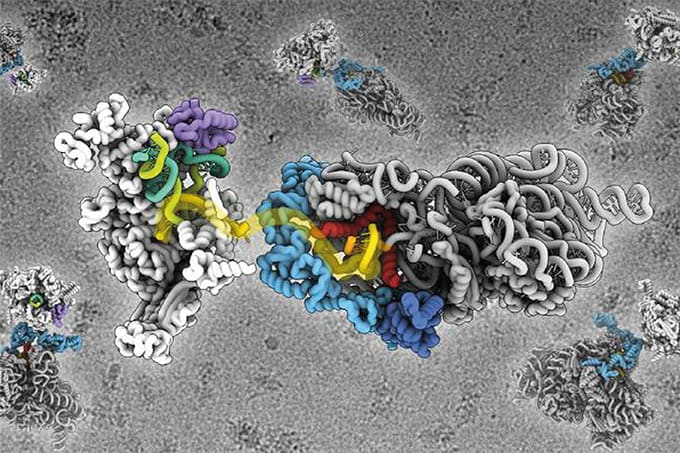
Genomic analysis classified ALTNV as a distinct orthonairovirus. The team also grew the virus from RNA-positive patient serum in cultured cells. Its identity was confirmed by immunofluorescence testing, while electron microscopy showed the structural features of an orthonairovirus.
The researchers then screened 3,163 patients with fever and recent tick exposure. ALTNV RNA or immunoglobulin M antibodies, which can indicate recent infection, were detected in 10.4 percent. Among patients who tested negative for DBV, 15.1 percent had evidence of ALTNV infection.
Laboratory confirmation required positive results from two reverse-transcription quantitative polymerase chain reaction assays targeting different parts of the viral genome. Results were then confirmed through further polymerase chain reaction testing and Sanger sequencing. The researchers also used an enzyme-linked immunosorbent assay to detect ALTNV immunoglobulin M.
Among 56 patients infected only with ALTNV, 84 percent reported fatigue and 80 percent had gastrointestinal symptoms. Thrombocytopenia occurred in 38 percent, while 36 percent had elevated aminotransferase levels. All recovered without reported lasting complications.
Another 38 patients had both ALTNV and DBV. Compared with patients who had DBV alone, those with both viruses more frequently experienced respiratory symptoms, at 61 percent vs 38 percent, and kidney impairment, at 84 percent vs 66 percent. Seven coinfected patients died. However, the study could not determine whether ALTNV contributed to the greater disease severity.
ALTNV RNA was also detected in 1.29 percent of 47,428 ticks collected across 15 provinces. The highest rate, 1.75 percent, occurred in the Asian longhorned tick, Haemaphysalis longicornis. Laboratory experiments showed that this tick could transmit the virus to mice.
The findings identify another potential cause of fever and thrombocytopenia after tick exposure. Because ALTNV and DBV occur in the same regions and can produce similar clinical findings, specific molecular and antibody tests may be needed to distinguish them. Further assay validation and surveillance are required to establish diagnostic performance and determine the virus’s geographic distribution.
Newsletters
Receive the latest analytical science news, personalities, education, and career development – weekly to your inbox.