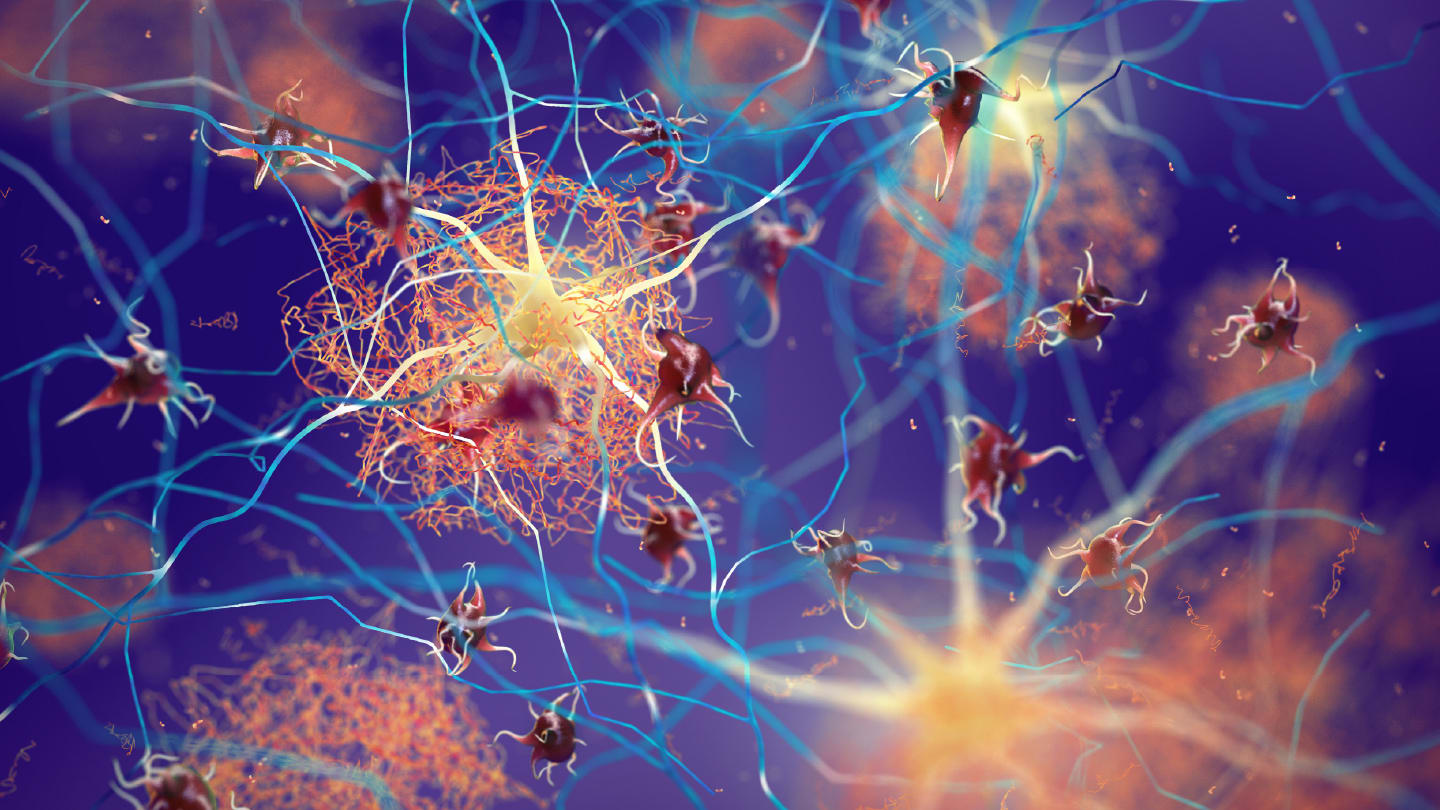
A large-scale molecular analysis of pathological tau protein has revealed that distinct neurodegenerative diseases are characterized by specific chemical signatures, challenging the prevailing “one-size-fits-all” approach to diagnosing and treating tau-related dementias.
Tau aggregation is a defining feature of more than 20 neurodegenerative conditions, including Alzheimer’s disease, chronic traumatic encephalopathy (CTE), progressive supranuclear palsy, and Pick’s disease. Although cryo-electron microscopy has revealed disease-specific tau filament structures, the chemical composition of pathological tau – including post-translational modifications and cleavage events – has remained poorly characterized.
To address this gap, researchers at Boston Children’s Hospital and collaborating institutions analyzed post-mortem brain tissue from 203 individuals spanning six tauopathies, alongside symptomatic and healthy controls. The team applied a quantitative mass-spectrometry workflow known as FLEXITau, which enables absolute measurement of pathological tau abundance while resolving disease-relevant chemical modifications at the peptide level.
Using this approach, the researchers mapped 145 post-translational modifications and 195 cleavage sites across tau, capturing both the identity and abundance of disease-associated chemical changes. Rather than a single pathological form, the data showed that each tauopathy is defined by a characteristic combination of modifications and cleavage patterns.
“For the first time, we can tell diagnostics and drug developers exactly which post-translational modifications to target across tauopathies, where they are on the protein, and how abundant they are in each disease,” said Judith Steen, senior author of the study, in a press release. “Instead of guessing which tau forms matter, we now have a precise molecular roadmap.”
To determine which molecular features best distinguished individual diseases, the researchers applied machine-learning models to the quantitative proteomics data. These analyses ranked tau modifications by their importance for disease classification, identifying the chemical features most relevant for diagnostics and therapeutic development.
“The machine learning analysis ranks modifications by importance to disease,” Steen said. “This provides a priority list for diagnostics and drug development – the modifications that matter most.”
The authors also emphasize that absolute quantification is central to translation. “Knowing how much of a molecular target exists is essential for diagnostic or drug design,” Steen noted. “If a modification is rare or low abundance, it’s not a viable target.”
Newsletters
Receive the latest analytical science news, personalities, education, and career development – weekly to your inbox.