Newsletters
Receive the latest analytical science news, personalities, education, and career development – weekly to your inbox.
False
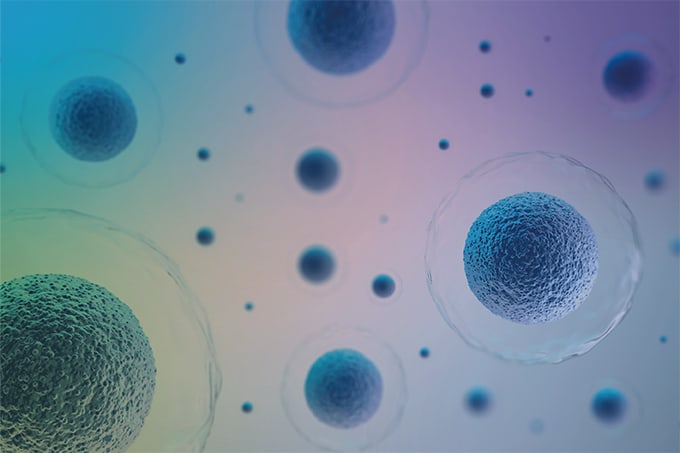
A multi-omics, machine-learning approach aims to improve extracellular vesicle classification, reproducibility, and clinical translation
Receive the latest analytical science news, personalities, education, and career development – weekly to your inbox.
December 2, 2024
4 min read
Frank Steemers, co-founder and CSO of Scale Biosciences, tells us the story of ScalePlex – the 7th ranked innovation on this year’s Awards

December 5, 2024
6 min read
Thermo Fisher Scientific’s high-sensitivity mass spec for translational omics research – the Stellar MS – is ranked 4th in our annual Innovation Awards

December 9, 2024
1 min read
TRISCO sets a new standard for 3D RNA imaging, delivering high-resolution and uniform images to offer insights into brain function and anatomy

December 11, 2024
10 min read
Meet the products – and the experts – defining analytical innovation in 2024
False