Newsletters
Receive the latest analytical science news, personalities, education, and career development – weekly to your inbox.
False
Pierre-Hugues Stefanuto on the achievements, bottlenecks and open questions in modern GC×GC
Receive the latest analytical science news, personalities, education, and career development – weekly to your inbox.

December 4, 2024
1 min read
Saliva-based PA-MS test detects paracetamol overdose in just 10 minutes

December 11, 2024
10 min read
Meet the products – and the experts – defining analytical innovation in 2024
December 10, 2024
2 min read
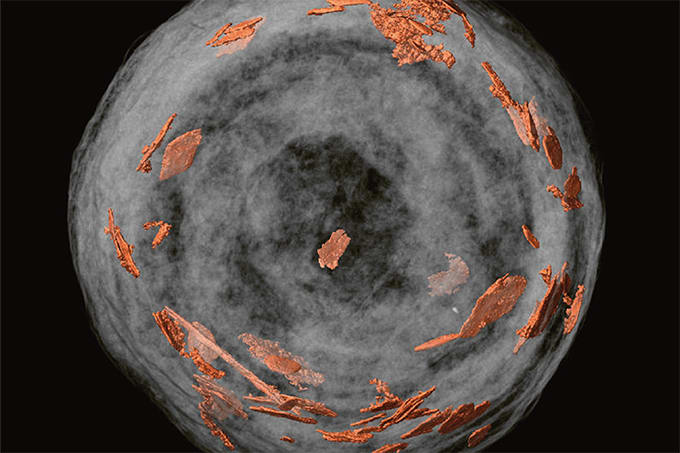
Analyses of fossilized feces, intestinal contents, and vomit reveal how dinosaurs adapted to climate shifts

December 17, 2024
5 min read
Torsten C. Schmidt casts his eye on the contaminants of concern for the future and considers how much of the full picture current technology allows us to see – in the first of our two-part interview
False