Conexiant
Login
  • The Analytical Scientist
  • The Cannabis Scientist
  • The Medicine Maker
  • The Ophthalmologist
  • The Pathologist
  • The Traditional Scientist
The Analytical Scientist
  • Explore

    Explore

    • Latest
    • News & Research
    • Trends & Challenges
    • Keynote Interviews
    • Opinion & Personal Narratives
    • Product Profiles
    • App Notes
    • The Product Book

    Featured Topics

    • Mass Spectrometry
    • Chromatography
    • Spectroscopy

    Issues

    • Latest Issue
    • Archive
  • Topics

    Techniques & Tools

    • Mass Spectrometry
    • Chromatography
    • Spectroscopy
    • Microscopy
    • Sensors
    • Data and AI

    • View All Topics

    Applications & Fields

    • Clinical
    • Environmental
    • Food, Beverage & Agriculture
    • Pharma and Biopharma
    • Omics
    • Forensics
  • People & Profiles

    People & Profiles

    • Power List
    • Voices in the Community
    • Sitting Down With
    • Authors & Contributors
  • Business & Education

    Business & Education

    • Innovation
    • Business & Entrepreneurship
    • Career Pathways
  • Events
    • Live Events
    • Webinars
  • Multimedia
    • Video
    • Content Hubs
Subscribe
Subscribe

False

The Analytical Scientist / Issues / 2026 / March / Mapping the Metabolism of Plant Mixtures 
Forensics Forensics News and Research

Mapping the Metabolism of Plant Mixtures 

A multilayer networking workflow reveals mixture-dependent metabolism of kratom alkaloids A multilayer networking workflow reveals mixture-dependent metabolism of kratom alkaloids 

03/10/2026 2 min read

Share

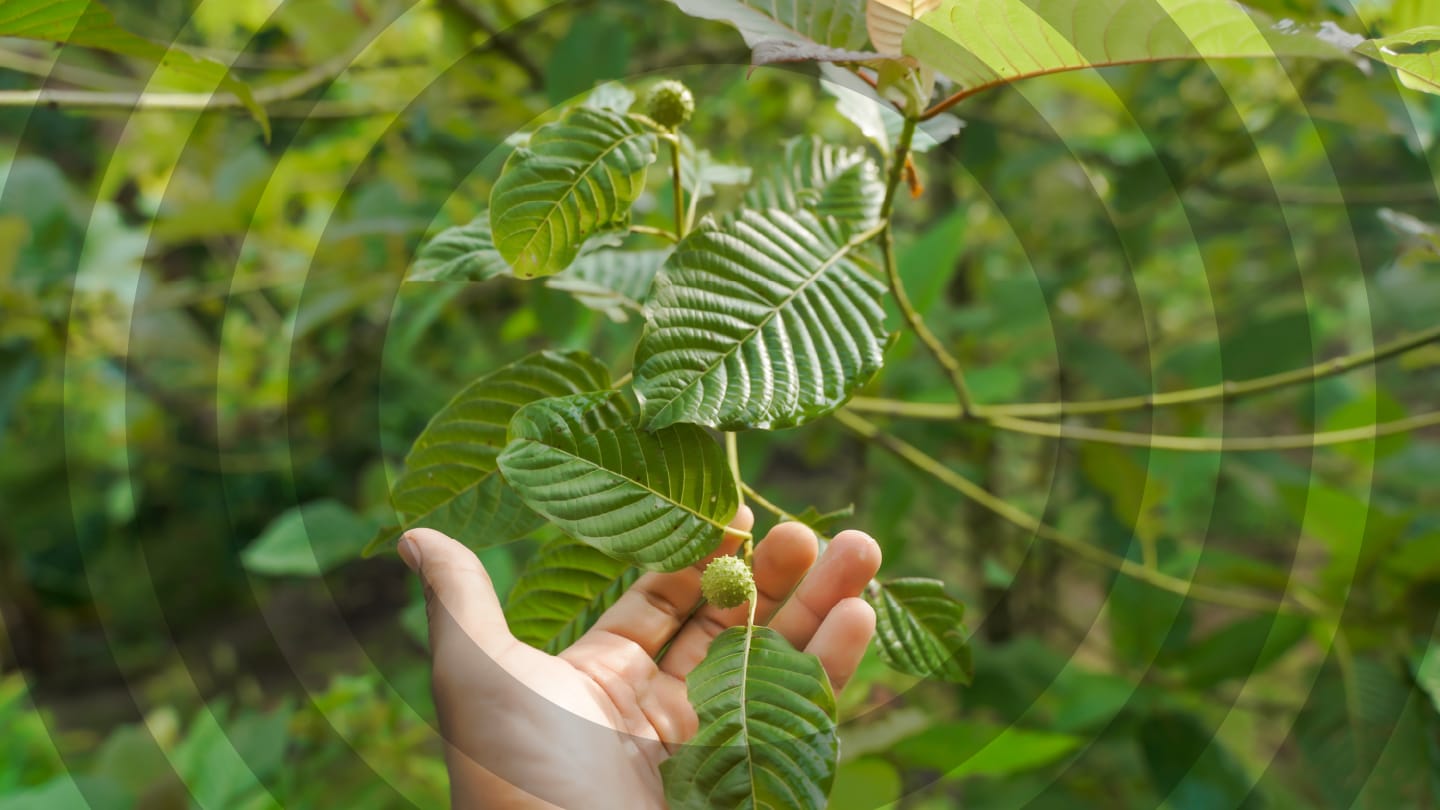
Credit: Adobe Stock (Edited)

A new analytical workflow combining high-resolution mass spectrometry and multilayer molecular networking enables researchers to map how complex plant-derived chemical mixtures are metabolized. 

Researchers demonstrated the approach using kratom (Mitragyna speciosa), a Southeast Asian plant whose leaves contain dozens of structurally related alkaloids. While individual kratom compounds – such as the opioid receptor agonist mitragynine – have been studied extensively, the metabolic fate of whole plant mixtures remains difficult to resolve. 

“Science is typically reductionist,” explains first author William Crandall, a PhD student in molecular and systems pharmacology at Emory University, in the institution’s press release. “You approach a large system, like a medicinal plant, and try to isolate a compound responsible for that medicinal activity.” 

To capture mixture-level metabolism, the team incubated kratom leaf extracts with human liver S9 fractions to simulate hepatic biotransformation. Samples were analyzed using liquid chromatography coupled to high-resolution mass spectrometry, generating MS¹ and MS² datasets.  

These were processed using the metabolomics platform MZmine, enabling feature extraction, alignment, and MS² spectral networking. The researchers then integrated multiple layers of evidence – including in silico metabolite predictions from BioTransformer, statistical changes in feature intensity over time, and spectral similarity networks – to construct precursor–metabolite relationships across the extract. 

This multilayer molecular networking strategy enabled detection of both phase I and phase II metabolites and helped link dozens of precursor compounds to their metabolic products. The analysis also revealed previously unreported metabolites and showed that metabolic profiles of individual alkaloids can shift when present within complex botanical mixtures.  

“This method marks a major, transformative step in natural products research,” adds Dean Jones, co-senior author of the paper. “A process that used to require years of work now takes just days.” 

Comparisons between chemically distinct kratom extracts further showed that plant chemotype influences metabolic outcomes, including formation of the bioactive metabolite 7-hydroxymitragynine. 

“Our technique does not just look at how one compound in this plant is metabolized,” says Crandall. “It shows how dozens of compounds are metabolized at one time.” 

Beyond kratom, the authors suggest the workflow could be applied broadly to dietary supplements, herbal medicines, and other natural product mixtures – helping researchers move beyond single-compound analysis toward a systems-level view of plant chemistry and metabolism. 

Newsletters

Receive the latest analytical science news, personalities, education, and career development – weekly to your inbox.

Newsletter Signup Image

False

Advertisement

Recommended

False

Related Content

How Dinosaurs Ate Their Way to Dominance
Forensics
How Dinosaurs Ate Their Way to Dominance

December 10, 2024

2 min read

Analyses of fossilized feces, intestinal contents, and vomit reveal how dinosaurs adapted to climate shifts

New Window into Ancient Microfossils
Forensics
New Window into Ancient Microfossils

October 4, 2024

1 min read

A new imaging technique using specially coated indium tin oxide (ITO) glass slides reveals key bioessential elements in ancient microfossils – suggesting that life 1...

New Window Into Ancient Microfossils: Part Two
Forensics
New Window Into Ancient Microfossils: Part Two

October 11, 2024

8 min read

Why the discovery of indium tin oxide glass slides ultimately led Akizumi Ishida and Kohei Sasaki to shed new light on early life on Earth – and to jump for joy

Mystery Solved: These Iron Age Infants Died of Natural Causes
Forensics
Mystery Solved: These Iron Age Infants Died of Natural Causes

October 17, 2024

5 min read

Ani Martirosyan walks us through her histological and synchrotron X-ray analysis that provides new insights into infant mortality in Iron Age Iberian populations

False

The Analytical Scientist
Subscribe

About

  • About Us
  • Work at Conexiant Europe
  • Terms and Conditions
  • Privacy Policy
  • Advertise With Us
  • Contact Us

Copyright © 2026 Texere Publishing Limited (trading as Conexiant), with registered number 08113419 whose registered office is at Booths No. 1, Booths Park, Chelford Road, Knutsford, England, WA16 8GS.