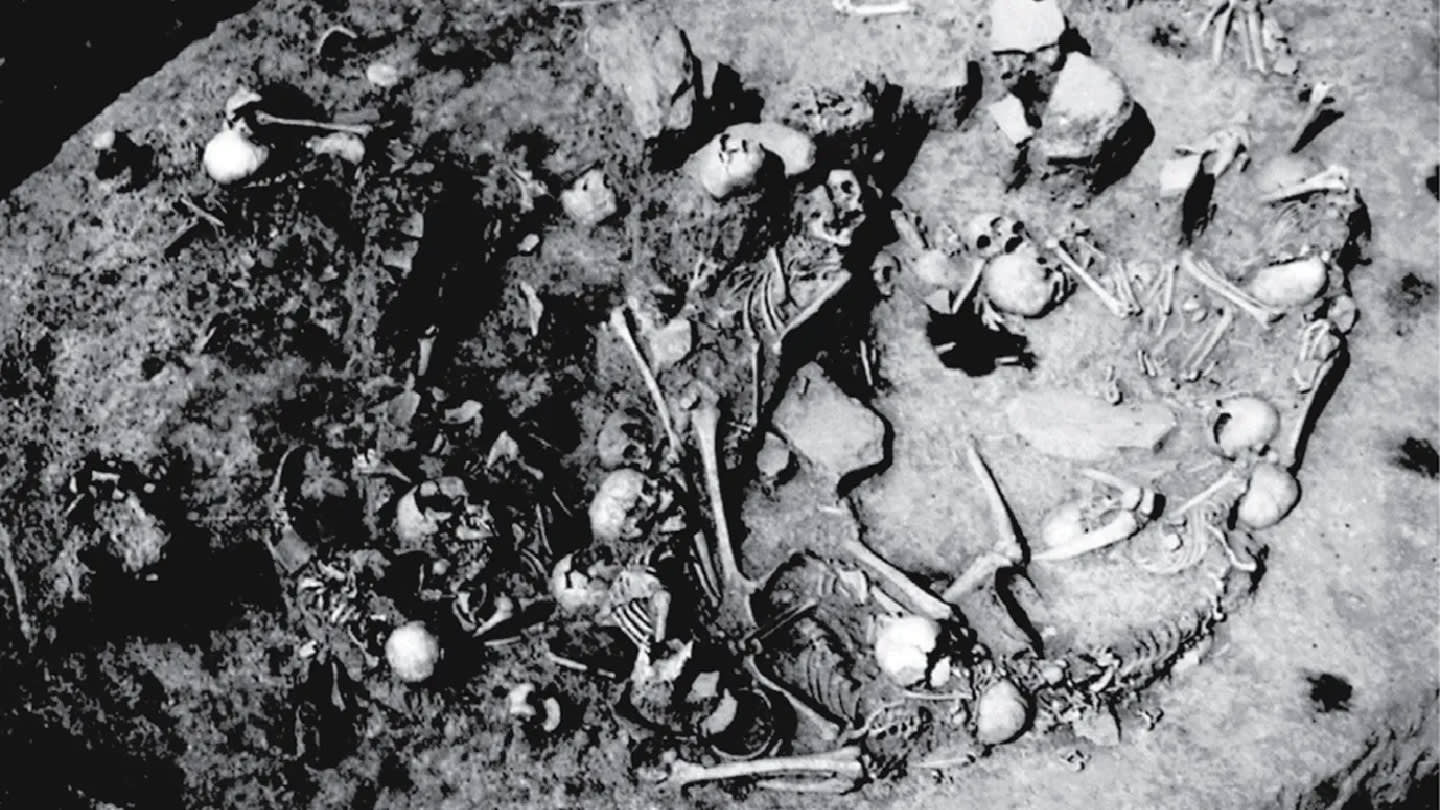
An Early Iron Age mass grave discovered in northern Serbia has shown evidence of a killing event that primarily affected women and children.
The burial site at Gomolava in the Carpathian Basin contains the remains of 77 people interred together around 2,800 years ago. In Nature Human Behaviour, researchers say the grave represents one of the largest known single-event mass burials from prehistoric Europe.
Analysis of the skeletal remains showed signs of lethal trauma in some victims, including blunt-force injuries to the skull and wounds consistent with sharp weapons and projectiles. The demographic profile of the grave was unusual. Of the victims identified, more than half were children aged 1 to 12 years, and most of the adults were female, suggesting the victims may have been selectively targeted.
To investigate the burial, the international research team used a combination of bioarchaeological and biomolecular techniques. Ancient DNA analysis was used to examine genetic relationships among the victims and showed that most were not closely related, indicating they likely came from different communities rather than a single settlement.
Stable isotope analysis of carbon, nitrogen, and strontium in teeth and bones provided insight into diet and geographic origins. The results suggested the victims grew up in different locations across the region and had varied food sources, supporting the idea that they came from multiple settlements.
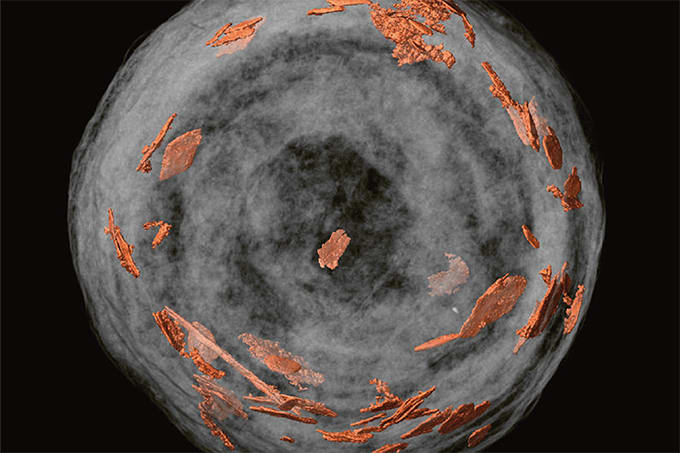
Researchers also used radiocarbon dating to confirm the age of the burial. Mass spectrometry analysis of tooth enamel peptides allowed biological sex to be determined in younger victims whose skeletal remains could not be reliably identified. Computed tomography scans were used in histotaphonomic analysis to study microscopic changes in bone and help determine how soon the victims were buried after death.
Despite the violent deaths, the burial appears to have been carefully prepared. The grave contained bronze ornaments, ceramic vessels, and the remains of dozens of animals, suggesting considerable effort was invested in the burial event. Broken grinding stones and burnt seeds were also found above the grave.
Genetic and isotopic evidence indicates the victims likely came from multiple communities across the wider region. According to the researchers, this suggests the killings were not simply an attack on a single settlement but part of a broader episode of conflict and displacement.
“By drawing together a suite of cutting-edge analyses not available when this grave was excavated, we are now able to tell the story not simply of their violent deaths, but also the circumstances leading up to that event,” said Barry Molloy of the School of Archaeology at the University College Dublin in Ireland in a press release.
Newsletters
Receive the latest analytical science news, personalities, education, and career development – weekly to your inbox.