A bacterial sugar found in some of the most dangerous drug-resistant pathogens could offer a new way to expose them to the immune system, according to a study published in Nature Chemical Biology. Antibodies targeting pseudaminic acid – a carbohydrate made only by bacteria – were shown to recognize multiple pathogenic species and eliminate otherwise lethal infections in mice.
Despite their importance, studying pseudaminic acids (Pse) has been difficult due to a lack of tools capable of detecting the sugar across different bacterial contexts and structural variants. To address this, researchers at the University of Sydney and collaborating institutions used synthetic chemistry to build α- and β-O-pseudaminylated glycopeptides with defined chemical features.
These synthetic constructs were used to generate what the authors describe as “pan-specific” monoclonal antibodies that recognize multiple forms of Pse, including different stereochemical configurations, N7 acyl variants, and the C8 epimer, whether embedded in glycans or directly linked to proteins.
Structural characterization of antibody–sugar interactions revealed the molecular basis for how a single antibody can accommodate diverse Pse chemistries. Using these antibodies, the team established a glycoproteomic workflow to map the Pse glycome in Helicobacter pylori, Campylobacter jejuni, and Acinetobacter baumannii – enabling detection and enrichment of Pse-modified glycoproteins beyond the most abundant species.
“This study shows what’s possible when we combine chemical synthesis with biochemistry, immunology, microbiology and infection biology,” said Richard Payne, co-lead author of the study, in a press release. “By precisely building these bacterial sugars in the lab with synthetic chemistry, we were able to understand their shape at the molecular level and develop antibodies that bind them with high specificity.”
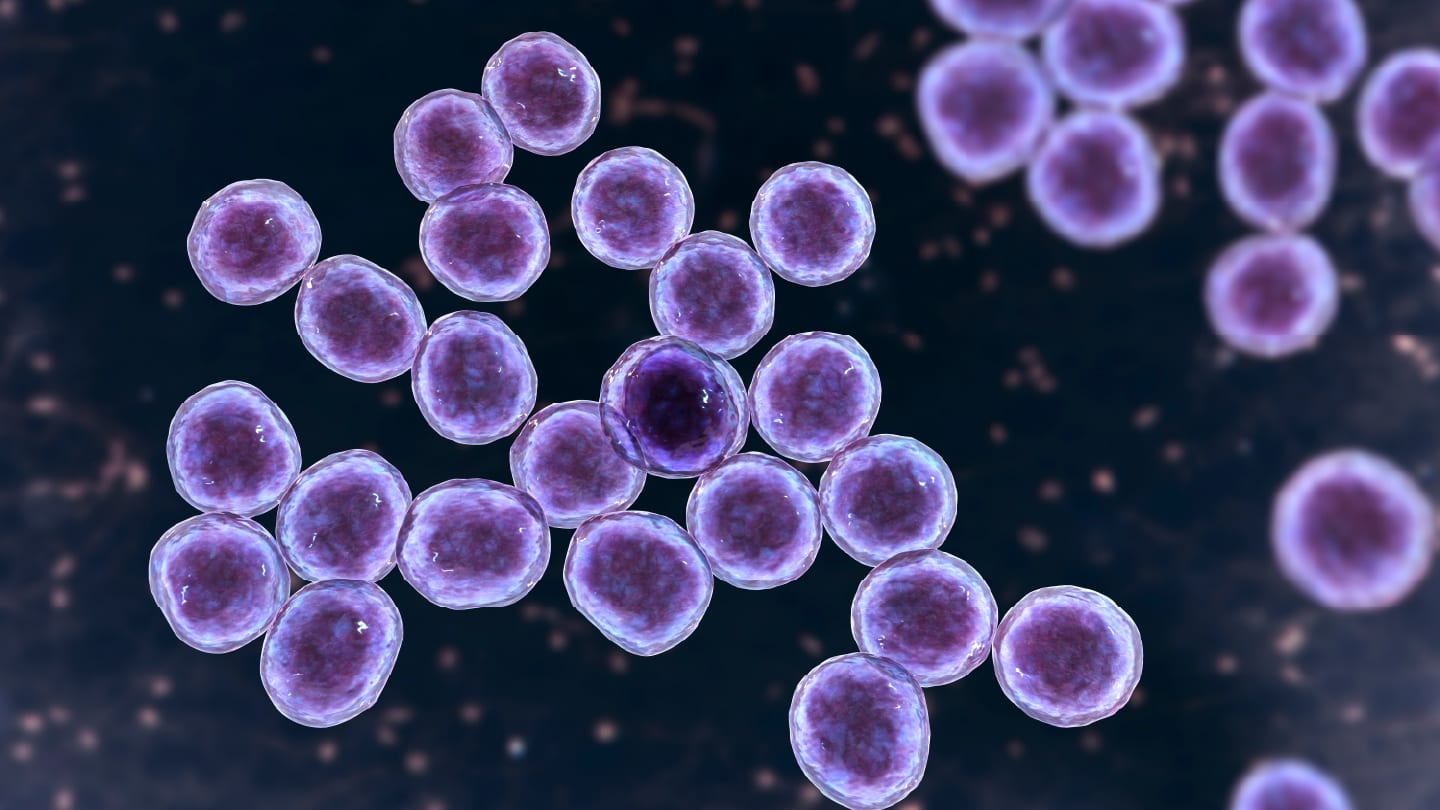
In mouse infection models, the antibodies recognized multiple capsule types in multidrug-resistant A. baumannii and enhanced phagocytosis, leading to clearance of infections that are typically fatal.
“Multidrug resistant Acinetobacter baumannii is a critical threat faced in modern healthcare facilities across the globe,” said co-lead author Ethan Goddard-Borger. “Our work serves as a powerful proof-of-concept experiment that opens the door to the development of new life-saving passive immunotherapies.”
Newsletters
Receive the latest analytical science news, personalities, education, and career development – weekly to your inbox.